About the author
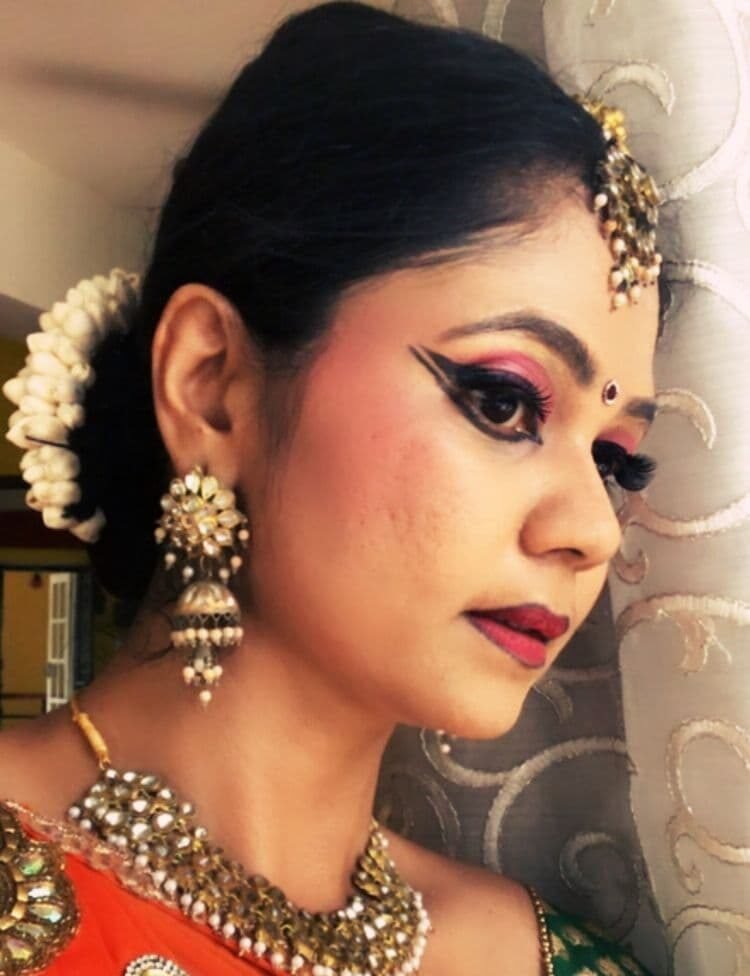
Seema Krishnan
Founder and Artistic Director of Krishnam Performing Arts Academy
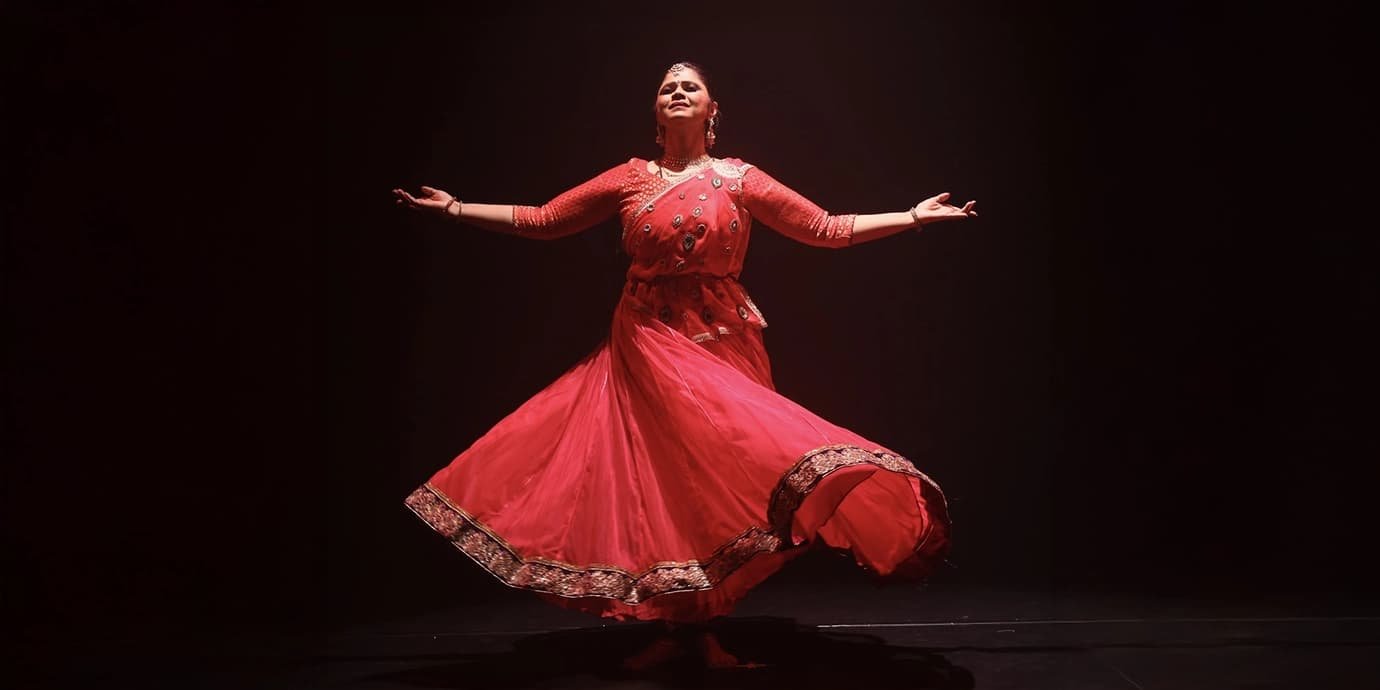
Seema Krishnan is a Kathak dance artiste with over two decades of learning, teaching and
performing experience on prestigious stages across India and internationally. A Visharad in
Kathak and currently pursuing her MA on the subject, she also holds a leadership role at a
global IT firm in Bengaluru.
She is the Founder and Artistic Director of Krishnam Performing Arts Academy in
Thanisandra, Bengaluru—an institution dedicated to passing the art form in its purest essence
to aspiring dancers. She has curated many dance productions and has also made her debut on
the silver screen with the Kannada movie Raandava.
Highlights of the post
- Dance as path to liberation
- Dance as meditation
- Dance as safe space to release, process and transform what we carry within.
- Dance as internal validation
- Dance as space to belong to community
- Dance facilitates psychological attributes: Brings balance, centers the mind, keeps mind sharp, focused and create clarity
As a Kathak dancer and an artist, I have come to understand something deeply
personal: not all healing begins with external sounds. Sometimes, it begins with
finding the rhythm within. With that, to me, Kathak ceases to be just a dance form—I
see it as my path to liberation.
Beyond my life as an IT professional—filled with deadlines, structure, and the constant need to stay composed—dance is the one space where I can simply be. This space is a complete contrast to the corporate world. Here, I don’t measure my emotions—I express them freely. There are days I walk into my practice space carrying a storm within—echoing conversations, pressing responsibilities, a mind that refuses to quieten. The first few steps feel heavy. But slowly, rhythm takes over. And then, something shifts. The mind softens. The noise fades. I disconnect from everything outside—and reconnect deeply within. What begins as effort transforms into meditation, into bliss.
I see the same transformation in my students. They walk in carrying stress, worry, and fatigue—and leave lighter, calmer, and more at peace. It is in these quiet shifts that one truly understands the healing power of art. Because what I have experienced through Kathak is not limited to dance alone—it is the power of art itself.
Art holds what we cannot always articulate. Through movement, music, or any creative expression, it offers a safe space to release, process, and transform what we carry within. In a world that encourages us to suppress and move on, art gently invites us to pause… and feel.
“In a world that encourages us to suppress and move on, art gently invites us to
pause… and feel.”
In Indian classical dance, movement is not merely physical—it is deeply internal. Through the natya aspect of dance, which involves abhinaya, we do not just portray emotion—we inhabit it. We experience within ourselves the longing, the joy, the devotion, the surrender. In one act, I am Ma Durga herself, feeling the Shakti within. In another, I am Radha, the supreme devotee of Krishna, lost in the bliss of devotion. As an artist, I am grateful to experience all of these emotions fully and honestly. There is a profound release in that honesty. A quiet catharsis in allowing emotions to flow through the body rather than remain confined within the mind. Over time, this has brought about subtle yet powerful shifts within me—a sense of lightness, deeper contentment, and a quiet confidence that comes not from achievement, but from alignment.
Dance also reveals a unique sense of beauty about oneself, which is especially important for women. Dance makes a person feel beautiful, even without seeking acceptance from anyone. As someone who once had deep insecurities about outward physical appearance, I now feel most beautiful when I dance. It has freed me from constantly seeking validation outside and gently reminded me to appreciate the beautiful creation of God that I am.
At the same time, the continuous learning that art demands keep the mind sharp, focused, and engaged. It nurtures growth—not as pressure, but as joy. Last but not least, perhaps one of the most fulfilling aspects of this journey has been the community it has created. Through my dance school, I have had the privilege of bringing women together—each from different walks of life, yet connected by a shared passion. What begins as learning soon blossoms into something deeper—friendships, shared experiences, travel, laughter, and lasting memories. At a phase in life where meaningful connections can sometimes feel distant, dance creates a space of belonging. A space where one can show up fully—not just as a professional, a mother, or a daughter—but as oneself. And that, in itself, is deeply healing.
Indian classical arts, with their rich spiritual roots, offer something even more profound—they bring balance, center the mind, and create clarity. I see dance as my path in spirituality. Offering my art at temples during performances has been liberating on another level—something I never experienced when I visited the same places as a devotee.
To sum it all up, we often search for healing in distant places, in complex answers and elaborate solutions. But sometimes, it lies in something far simpler—in the act of returning to ourselves. It is all in the mind, and the mind is the most complex tool. Decoding it is entirely in our hands. Art has greatly accelerated this process for me and for many within the community. We dance because life is beautiful every time we dance. Just pure bliss—where movement is no longer an escape, but a home you can always return to.
This post reflects the lived experience and wisdom of the artiste.